What's the Solution?
That's where Wag3s comes in. It's an accounting platform built specifically for decentralized* finance.
About us
Wag3s is a Web3* finance platform for startups and individuals. We built blockchain* technology directly into the accounting workflow, so you don't need separate tools for crypto and traditional finance.
Our main modules
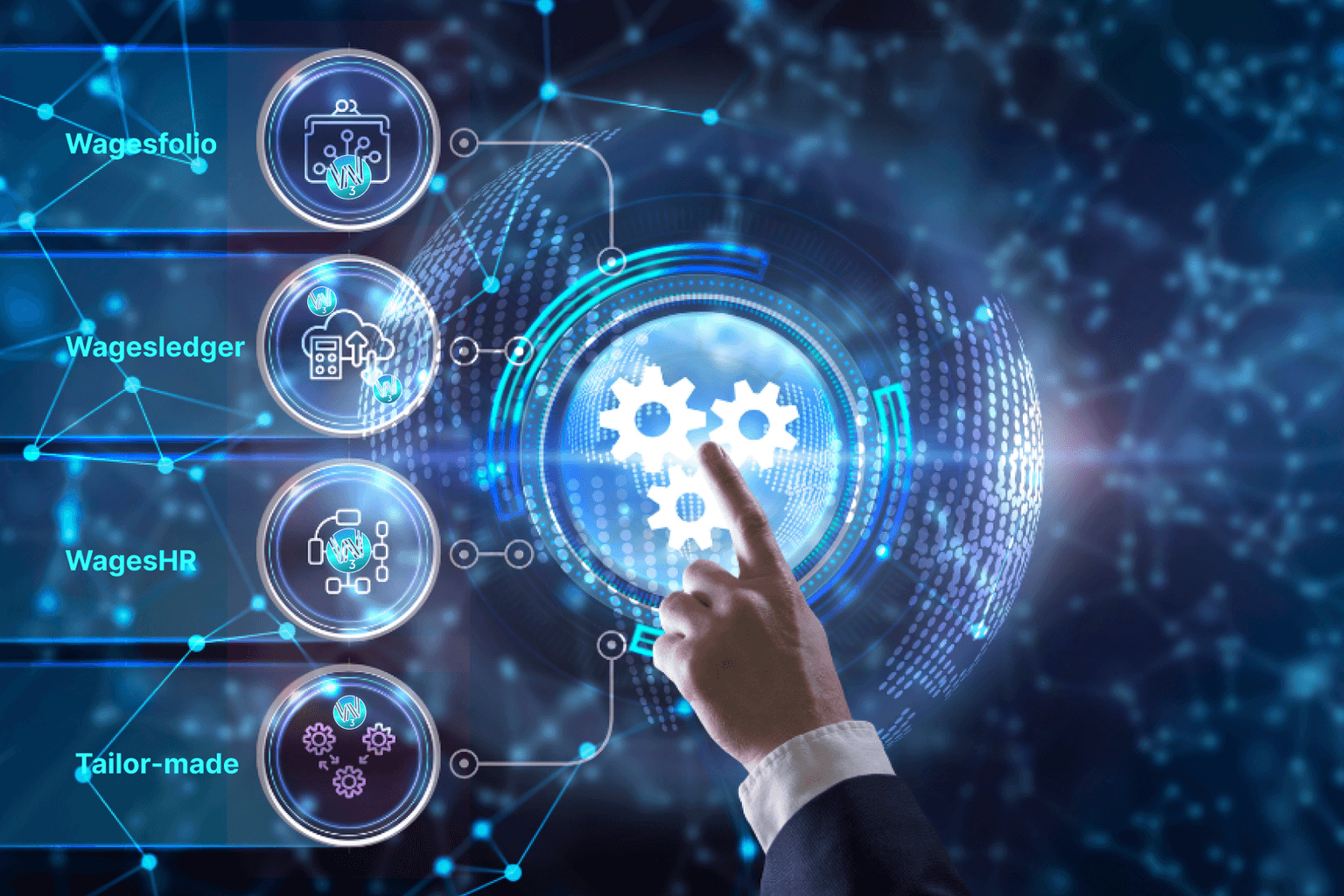
1. Wag3s Folio
Track your crypto portfolio across wallets and exchanges. See performance, generate tax reports, and manage your holdings from one dashboard.
2. Wag3s Ledger
On-chain accounting for businesses. Reconcile transactions, export to your ERP, and generate compliant financial reports without the manual work.
3. Wag3s HR
Payroll and team management for distributed Web3 teams. Pay in crypto or fiat, handle compliance across jurisdictions, and onboard contractors in minutes.
We're building more modules. Check our roadmap for what's coming next.
Want to try it?
Visit Wag3s.io and create a free account.
Blockchain: A system of recording information in a way that makes it difficult or impossible to change, hack, or cheat the system. A blockchain is essentially a digital ledger of transactions that is duplicated and distributed across the entire network of computer systems on the blockchain.
Cryptocurrencies: Digital or virtual currencies that use cryptography for security and operate on a decentralized network, typically a blockchain.
Web3: Also known as Web 3.0, it refers to the evolution of web utilization and interaction which includes transforming the web into a database. In Web3, the data is interconnected in a decentralized way, which can be a significant departure from the current centralized web (Web 2.0).
Decentralized: Refers to the transfer of control and decision-making from a centralized entity (individual, organization, or group thereof) to a distributed network. Decentralized networks attempt to reduce the level of trust that participants must place in one another and deter their ability to exert authority or control over one another in ways that degrade the functionality of the network.